


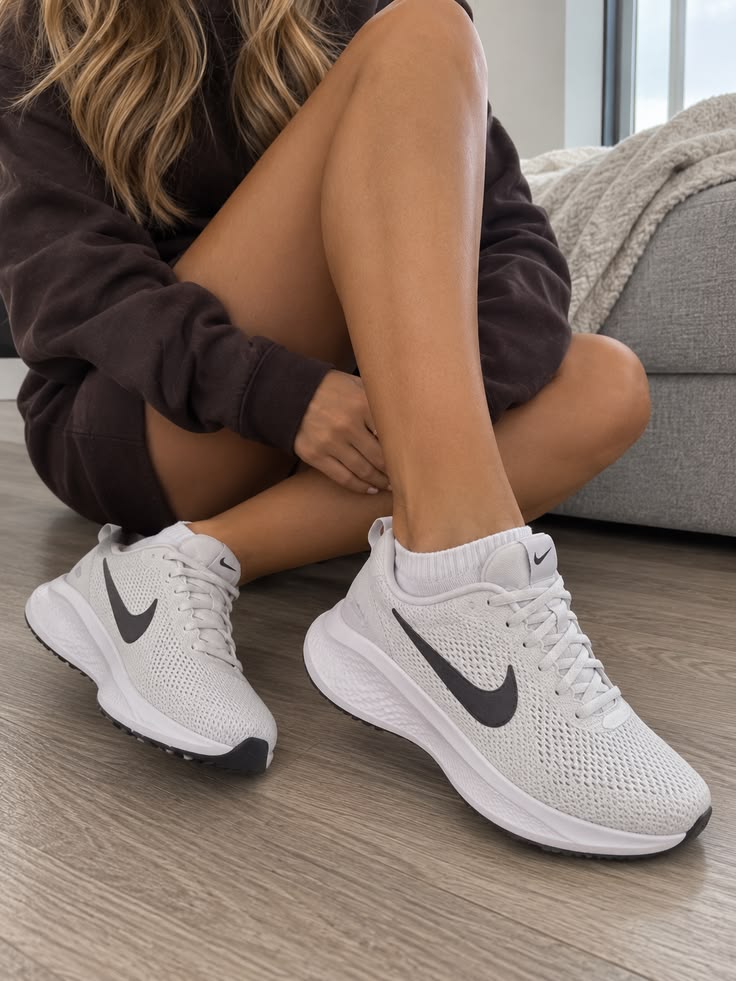
Choosing the right running shoes can make a noticeable difference in how comfortable you feel during a run. With so many styles, brands and designs available, it can be difficult to know which pair is actually right for you. Knowing how to choose running shoes In 2026 will help you stay on top your running skills from time to time.
Whether you are just starting your running journey or you already run regularly, the best running shoes are not necessarily the most expensive ones. What matters is finding a pair that suits your feet, your running style and where you normally run.
Read Also: How To Style Barrel Jeans: Easy Outfit Ideas For 2026
What Are the Three Types of Running Shoes?
Running shoes can generally be grouped into three main types: road running shoes, trail running shoes and track running shoes.
Road running shoes are designed for smooth surfaces such as roads, pavements and treadmills. They are usually lightweight and provide cushioning that makes them comfortable for regular road running.
Trail running shoes are made for uneven surfaces such as dirt paths, rocky routes and muddy trails. They usually have a more aggressive outsole that provides better grip and stability on challenging terrain.
Track running shoes are designed specifically for running on tracks. Some are lightweight and minimal, particularly those used for speed training and racing.
Understanding where you intend to run is a good starting point because the right shoe for a smooth road may not provide the same support on a rough trail.
What Should I Consider When Buying Running Shoes?
There are several things to consider before buying a pair of running shoes.
First, think about where you run most often. If most of your runs are on roads or a treadmill, road running shoes are likely to be more suitable. If you enjoy outdoor trails, look for shoes with better traction. Your fit is equally important. Running shoes should feel comfortable without being too tight. You should have enough space around your toes to move them naturally, while your heel should feel secure inside the shoe.
You should also consider cushioning. Some runners prefer a softer, more cushioned feel, while others prefer shoes that feel lighter and firmer. There is no single cushioning level that works for everyone. Finally, consider your running routine. Someone who runs occasionally may have different needs from someone who runs several times a week or trains for races.
How Should Running Shoes Fit In 2026?
How To Choose Running Shoes In 2026, A good running shoe should feel comfortable from the moment you put it on. Your toes should not feel squeezed, and your heel should not slide excessively when you walk or run.
It is often helpful to try running shoes later in the day because feet can swell slightly as the day goes on. Wearing the type of socks you normally run in can also give you a more realistic idea of how the shoes will feel.
Do not buy a pair simply because you like the design. A stylish shoe that does not fit properly can become uncomfortable very quickly.
What Type of Running Shoes Do I Need In 2026?
The answer depends largely on your running environment and personal preferences.
For everyday road running, look for comfortable shoes with suitable cushioning and a durable outsole. For trails, priorities grip, protection and stability. If you are interested in speedwork or track racing, lightweight running shoes may be more appropriate.
You may also find that you need different shoes for different types of training. A comfortable everyday pair can be useful for regular runs, while a lighter pair can be reserved for faster sessions or races.
How Much Should You Spend on Running Shoes?
You do not necessarily need the most expensive running shoes to get a good pair. Running shoes are available at different price points, and the right choice depends on your needs and budget.
Instead of focusing only on the price, pay attention to the fit, comfort, construction and intended use. A reasonably priced pair that fits well can be more useful than an expensive pair that does not suit your feet.
It is also worth looking out for sales and previous season models, as they can offer good value without compromising on the basic features you need.
When Should You Replace Your Running Shoes?
Running shoes do not last forever. Over time, the cushioning and outsole can become worn, especially if you run frequently.
Pay attention to visible damage, worn out tread, reduced cushioning or new discomfort during or after your runs. If a pair that was once comfortable suddenly feels different, it may be time to consider replacing it.
How quickly shoes wear out depends on factors such as how often you run, your running surface, your body weight and the construction of the shoe.
In Conclusion
Choosing running shoes does not have to be complicated. Start by thinking about where you run, how frequently you run and what feels comfortable on your feet. Then consider the fit, cushioning, grip and durability before making your choice.
The perfect running shoe is not simply the one that looks good on the shelf. It is the one that feels comfortable and supports the way you actually run.
 Follow us on instagram
