


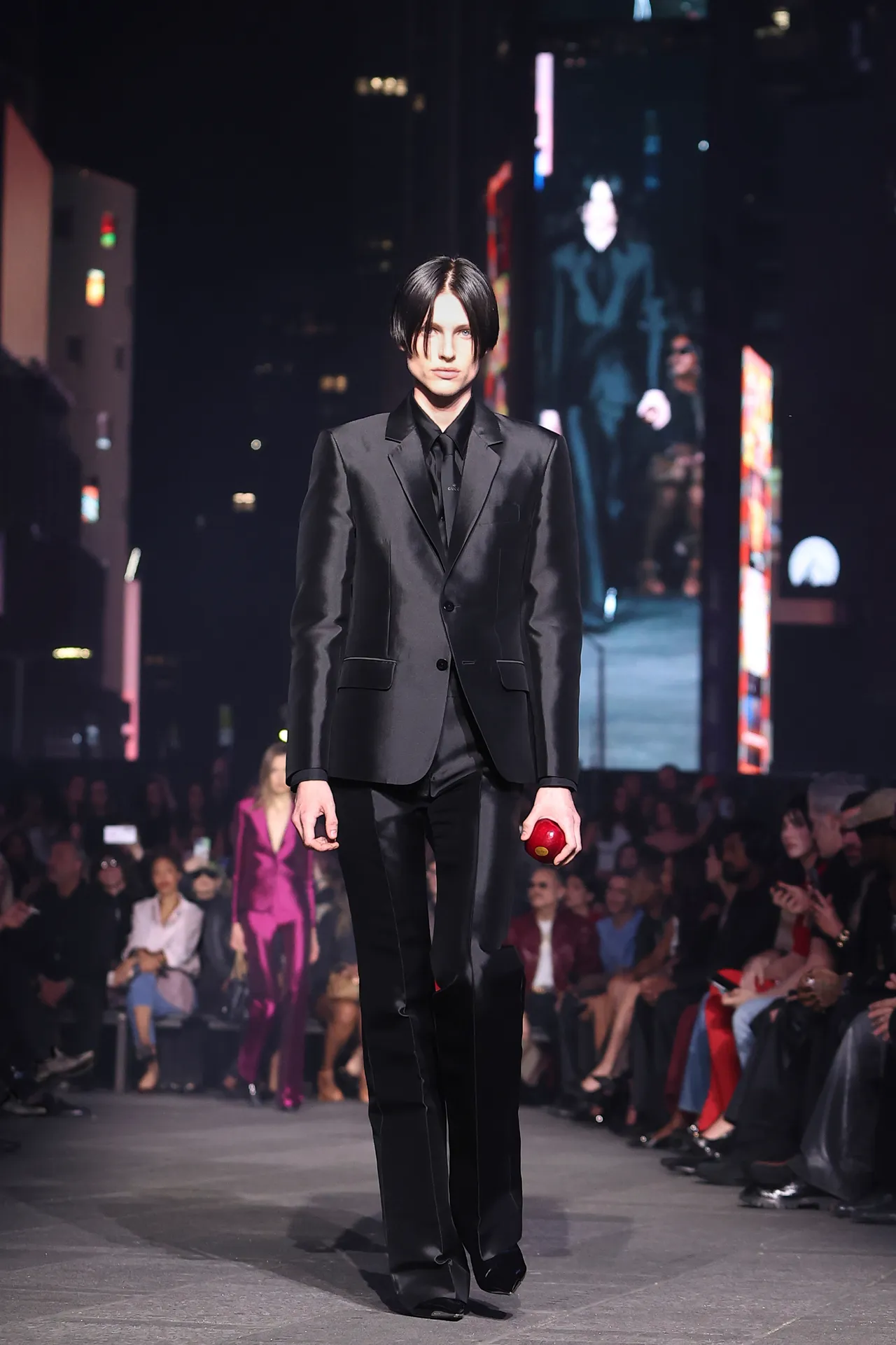
Gucci is a brand that has become a global sensation and continues to outpace every other brand. Few fashion houses have experienced as many remarkable transformations as Gucci. Today, the Italian luxury brand is recognised as one of the most influential names in fashion, but its journey began in much humbler circumstances.
Read Also: Christian Dior Fall 2026 Collection
Founded in Florence in 1921 by Guccio Gucci, the company started as a small leather goods and luggage business. Inspired by the craftsmanship he observed while working in luxury hotels, Guccio set out to create finely made travel accessories that combined quality with timeless elegance. What began as a family business would eventually grow into one of the world’s most celebrated fashion houses.
Gucci is one of the most luxurious brands out there with clothing lines, shoes, and handbags that every woman dream to own one or more of their piece in her wardrobe.
The Brand
The brand’s expansion was largely driven by Guccio’s son, Aldo Gucci, whose business vision took Gucci far beyond Italy. Under his leadership, the company opened boutiques across Europe and the United States, introducing signature design elements that would become synonymous with the brand. The iconic interlocking GG logo, the bamboo handle handbag, and the green and red web stripe all emerged during this period, helping Gucci establish itself as a symbol of luxury and sophistication.
The next chapter came when another member of the Gucci family stepped into the spotlight. Paolo Gucci helped introduce ready-to-wear fashion to the brand during the late 1960s, allowing Gucci to expand beyond leather accessories. By the early 1970s, the label was known for its sleek tailoring, luxurious outerwear, and glamorous aesthetic, attracting celebrities and the international jet set.
However, success also brought challenges. During the 1980s, the brand struggled with internal family disputes and excessive licensing, which weakened its exclusivity. These issues eventually led to the Gucci family losing ownership of the company in the early 1990s, marking the end of an era.
The Fashion Comeback
In 1994, American designer Tom Ford was appointed Creative Director, and his bold vision transformed Gucci almost overnight. Drawing inspiration from the glamour of the 1970s, Ford introduced sleek tailoring, daring silhouettes, luxurious fabrics, and an unapologetically sensual aesthetic. His collections revived Gucci’s image and restored its commercial success, turning the struggling brand around.
When Tom Ford departed in 2004, Gucci faced another major transition. Frida Giannini took over as Creative Director, bringing a softer, more romantic perspective to the house. Her collections combined femininity with rock-inspired glamour, while continuing to celebrate Gucci’s rich heritage.
Alessandro Michele
Another defining moment arrived in 2015 when Alessandro Michele was unexpectedly appointed Creative Director. His debut collection introduced an entirely new creative language. Mixing vintage influences, eclectic styling, bold colours, romantic tailoring, and gender fluid fashion. Michele transformed Gucci into one of the most talked-about brands of the decade.
His vision extended beyond clothing. Through collaborations with brands such as Adidas and The North Face, as well as creative partnerships across art and culture. Michele positioned Gucci at the centre of contemporary fashion conversations while attracting a younger global audience.
Sabato De Sarno
Following Michele’s departure, Sabato De Sarno took the creative reins, intending to refine Gucci’s identity and reconnect the house with its heritage through understated luxury and modern elegance. Although his tenure was brief, it represented another chapter in the brand’s continuous evolution.
Now, Gucci begins a new era under the creative direction of Demna. Known for pushing boundaries and challenging conventional fashion, his appointment signals another bold step for the Italian house. As Gucci enters its second century, the brand continues to prove that reinvention has always been one of its greatest strengths.
From handcrafted leather luggage in Florence to becoming one of the world’s most influential luxury fashion brands. Gucci’s story is one of resilience, innovation, and a relentless commitment to redefining style with every generation.
Photo Credit: Vogue Magazine
